



Autumn Budget 2026: What it means for your money
 Cesca Newton
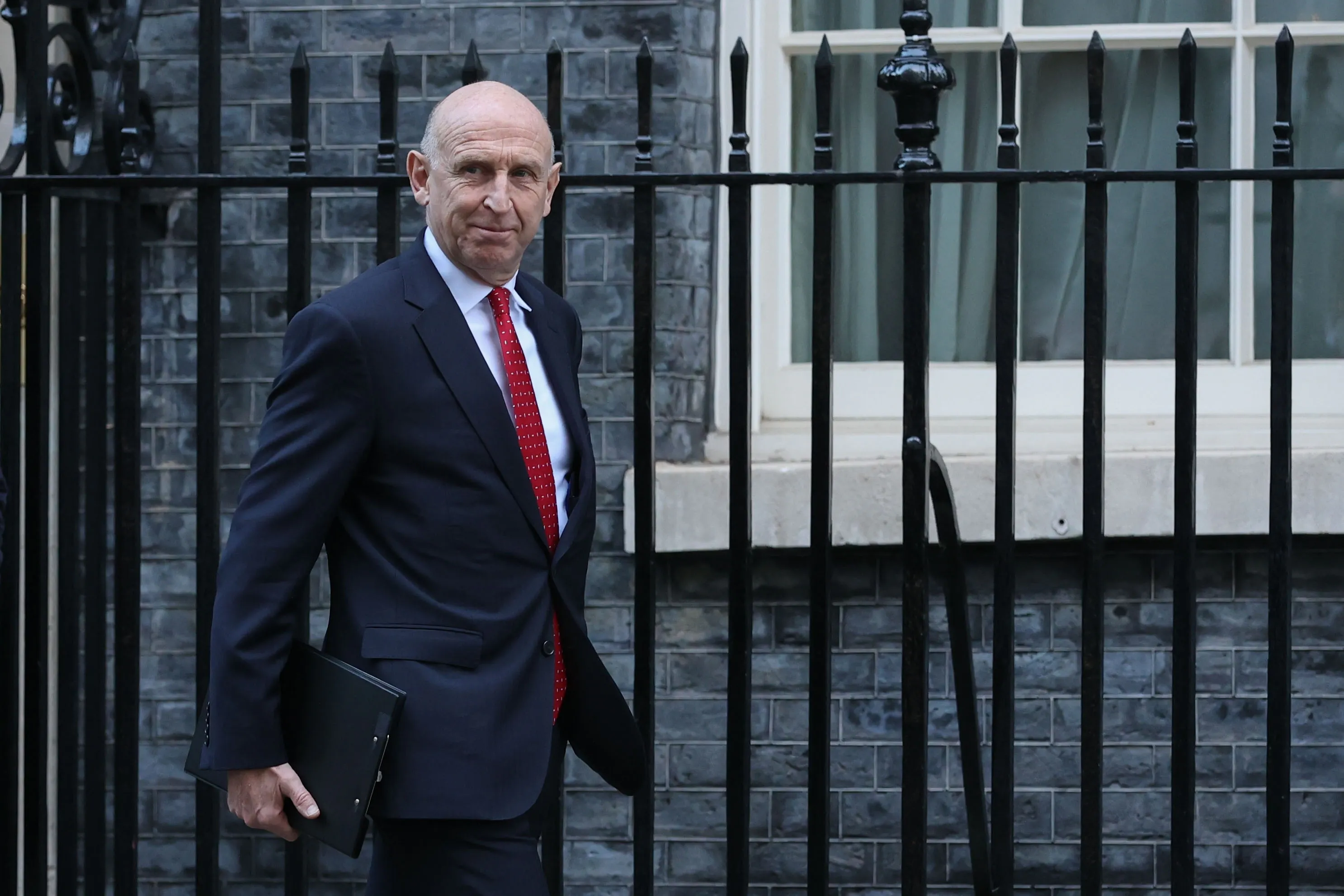
The Autumn Budget 2026 has landed! Today, Chancellor John Healey delivered his first Budget, setting out the government's latest plans for the economy, taxes and household finances.
From big changes to first-time buyer support and ISAs to help with rising energy bills, there's plenty to get our heads around. We've broken down the biggest announcements, what they mean for your money and what you need to know going forward.
Autumn Budget 2026: Key takeaways
- Lifetime ISA changes: The government is reducing the withdrawal charge to 20% for qualifying first-home purchases above £450,000 from 29 October 2026. A new First Time Buyer ISA will also launch in April 2029.
- Your First Home scheme confirmed: First-time buyers in England could get onto the property ladder with a deposit as small as 2.5%, supported by a government equity loan of up to 20%.
- Cash ISA limit to stay at £20,000: The government has scrapped its planned reduction to £12,000, meaning savers can continue putting up to £20,000 a year into Cash ISAs.
- £100 energy payment: Up to 20 million households in England, in council tax bands A-D, will receive support from January 2027.
- Changes to wages and savings tax: The National Living Wage will rise to £13.21 an hour, while tax rates on savings income outside tax-free allowances will increase from April 2027.
What does the Autumn Budget mean for you?
Join our experts on Friday 30 October at 12:30pm for a free webinar breaking down the biggest announcements and what they mean for homebuyers, homeowners and savers.
1. Mortgages and housing
Big changes to Lifetime ISAs and first-time buyer savings
The government has confirmed two major changes to first-time buyer savings, including a reduction in the Lifetime ISA withdrawal charge and plans for a new First Time Buyer ISA.
LISA withdrawal charge reduced for homes above £450,000
From 29 October 2026, the withdrawal charge for existing LISA holders purchasing an otherwise qualifying first home above the £450,000 property price cap will fall from 25% to 20%.
Previously, savers making a withdrawal outside the qualifying rules would lose their government bonus and up to 6.25% of their own contributions. The change means that buyers will still lose their government bonus, but won't lose any of their original savings through the withdrawal charge.
For example, if you've saved £4,000 and received a £1,000 government bonus, your balance would be £5,000 before interest.
- Under the old 25% charge, you'd receive £3,750.
- Under the new 20% charge, you'd receive £4,000.
The change applies specifically to otherwise qualifying first-home purchases above the property price cap. The standard 25% charge still applies to other ineligible withdrawals.
A new First Time Buyer ISA will replace the LISA for new savers
From April 2029, the government will introduce a new First Time Buyer ISA to replace the Lifetime ISA for new savers. The new account will retain a 25% government bonus, with annual contributions of up to £4,000. Unlike the current LISA, it won't have an upper age restriction.
The government bonus will be paid when the money is withdrawn for a qualifying first-home purchase, rather than being added to the account as contributions are made.
Importantly, existing Lifetime ISA holders will be able to continue contributing to and using their accounts under the current rules. That means there's no immediate need for existing LISA customers to change their savings plans because of the replacement announcement.
Lifetime ISA versus First-time Buyer ISA
| Terms | Lifetime ISA (ISA) | New First-time Buyer ISA |
|---|---|---|
Availability | Available now | 6 April 2029 |
Annual savings allowance | £4,000 | £4,000 |
Government bonus | 25% (up to £1,000/year) | 25% (up to £1,000/year) |
Age restrictions | Open aged 18–39 | No upper age limit |
Maximum property price | £450,000 | £450,000 |
Withdrawal penalties | 20% for qualifying purchases above £450k | No charge for qualifying purchases |
When you receive the bonus | Monthly, into your account | When buying your first home |
Maximum gov. bonus received | £32,000 | £20,000 |
Your First Home scheme: Buy with a 2.5% deposit
One of the biggest housing announcements was confirmation of the government's new Your First Home scheme, designed to help people buy their first home without needing a large deposit.
The scheme will support around 70,000 first-time buyers in England, offering government equity loans of up to 20% of a property's value.
Your First Home Scheme
| Details | Your First Home Scheme |
|---|---|
Where it's available | England only |
Household income limit | £110k outside London / £140k in London |
Deposit required | 2.5–15% |
Government contribution | 20% equity loan |
Maximum property price | Varies by area; £650k inner London / £500k outer London |
Interest on the equity loan | 0% for 5 years, then gradually increases |
When applications open | Pre-register Dec 2026 / Apply Feb 2027 |
The scheme will open for pre-registration by the end of December 2026, with full applications starting in February 2027 and the first loans expected from April 2027.
What does this mean for first-time buyers?
The Your First Home scheme could make getting onto the property ladder more achievable for buyers struggling to save a large deposit. With a smaller deposit required and an interest-free government equity loan for the first five years, buyers could also benefit from lower initial mortgage repayments.
However, buyers will still need to meet eligibility and affordability requirements, and consider how repaying the equity loan could affect their finances in the longer term. Property prices and scheme limits vary across England, meaning the benefits could look quite different depending on your location.
Explore our First Time Buyer Index for a closer look at how the Your First Home scheme could affect buyers across the country.
More investment in social and affordable housing
The Chancellor also announced an additional £1.5 billion for the Social and Affordable Homes Programme, supporting the delivery of around 10,000 additional homes in England. This takes the government's total planned investment in social and affordable housing to more than £40 billion over ten years.
Wondering how much you could afford?
From the upcoming Your First Home scheme to specialist mortgages available today, discover how Tembo could help boost your homebuying budget with access to over 100 lenders and specialist mortgage schemes.
2. Your personal finances
Beyond housing, today's Budget included announcements affecting everyday household finances, from energy bills and wages to taxes and savings.
Cash ISA limit to remain at £20,000
Good news for Cash ISA savers! The Chancellor has confirmed that the planned reduction to the annual Cash ISA allowance will no longer go ahead. Under the previous plans, people under 65 would have been limited to putting £12,000 into Cash ISAs each year from April 2027 (and instead would have had to contribute the remaining £8,000 allowance to a Stocks and Shares ISA).
Instead, the annual Cash ISA limit will remain at £20,000, allowing savers to continue making full use of their existing tax-free savings allowance. The government also announced plans to explore a new incentive for people investing in Stocks and Shares ISAs for the first time, although the details have yet to be developed.
Tax on savings and property income to rise
While Cash ISA allowances remain unchanged, the Budget also included an increase in tax rates on savings income. From 6 April 2027, the tax rates applied to taxable savings income will rise by a further two percentage points, bringing them to:
- 24% for basic-rate taxpayers
- 44% for higher-rate taxpayers
- 49% for additional-rate taxpayers
The same rates will apply to taxable property income in England, Wales and Northern Ireland.
What does this mean for savers?
The changes affect savings interest that is subject to income tax, rather than interest earned within tax-free ISAs. The Personal Savings Allowance and other relevant savings tax reliefs will continue to protect some savings interest from tax.
For savers, this is another reason to understand the benefits of tax-free savings accounts and make the most of the allowances available to them.
Make more of your savings with Tembo
From tax-free ISAs to our new Regular Saver offering 8% interest for eligible new customers, explore ways to help your savings grow.
£100 energy payment for millions of households
With energy prices continuing to put pressure on household budgets, the Chancellor announced a new £100 Household Energy Payment.
From January 2027, up to 20 million households in England living in council tax bands A–D will receive £100 to help with energy costs. The scheme will be delivered through local authorities, with further details about how payments will be made still to be confirmed.
National Minimum Wage rises to £13.21
The Budget also brought an increase in pay for millions of workers. From 1 April 2027, the National Minimum Wage for workers aged 21 and over will increase by 3.9% to £13.21 an hour.
According to the Treasury, this will mean around £910 more in gross annual earnings for a full-time worker on the National Minimum Wage. The National Minimum Wage for workers aged 18-20 will also increase by 3.9%, reaching £11.27 an hour. Around 2.3 million workers are expected to benefit from the increases.
Income tax and tax thresholds
The Chancellor confirmed that there will be no increase to the headline rates of income tax, National Insurance contributions or VAT. Existing freezes to income tax thresholds remain in place, meaning the Personal Allowance for most taxpayers stays at £12,570.
While tax rates on employment income are unchanged, frozen thresholds can still affect take-home pay as salaries increase over time.
Fuel and energy costs
The existing 5p-per-litre fuel duty cut and freeze will be extended until 1 July 2027, helping motorists keep fuel costs down. The government is also increasing the tax-free mileage rate for qualifying mileage above 10,000 miles from 25p to 35p per mile.
Meanwhile, the 0% VAT rate on domestic electricity will continue until July 2027, potentially saving households around £50 a year. Gas standing charges will also be removed, although higher unit rates mean the impact on bills will depend on how much gas households use.
3. The wider economy and other announcements
Alongside the changes affecting household finances, the Budget also provided updated forecasts for the UK economy.
Inflation expected to peak at 3.8% in early 2027
Inflation has remained a challenge throughout 2026, with rising oil and gas prices pushing up the cost of everyday essentials. UK inflation reached 3.5% in September 2026, and the Office for Budget Responsibility (OBR) now expects it to peak at 3.8% in the first quarter of 2027.
Inflation is then forecast to fall gradually, returning to the Bank of England's 2% target by the third quarter of 2028. For households, higher inflation means everyday costs can continue rising, even if the pace of those increases eventually slows.
It can also affect borrowing costs, as expectations for inflation influence interest rates and mortgage pricing.
UK economic growth forecasts updated
The OBR has upgraded its forecast for UK economic growth in 2026 to 1.2%, slightly above the 1.1% predicted in March. However, its outlook for 2027 is less optimistic, with growth forecast to slow to 1.0%, compared with the previous prediction of 1.6%.
Growth is then expected to recover gradually, reaching 1.6% in 2028 and 1.8% in 2029.
What happens next?
While some of today's announcements take effect almost immediately, others will be introduced over the coming months and years.
For savers and first-time buyers, some of the most important dates are:
- 29 October 2026: Reduced 20% LISA withdrawal charge for eligible purchases above £450,000.
- January 2027: £100 household energy support begins for eligible English households.
- February 2027: Full applications open for Your First Home.
- 1 April 2027: National Living Wage and National Minimum Wage increases take effect.
- 6 April 2027: Higher tax rates on taxable savings and property income take effect.
- April 2029: New First Time Buyer ISA launches for new savers.
Whether you're planning to buy your first home, reviewing your mortgage or building your savings, understanding what's changed and when can help you make more informed decisions about your next move.
Learn more



YOUR HOME MAY BE REPOSSESSED IF YOU DO NOT KEEP UP REPAYMENTS ON YOUR MORTGAGE.